
Switching from waxing to sugaring can be a good fit when you have a clear reason for changing and understand what the transition involves.
As a founder with years of experience in natural hair-removal techniques in Richmond, VA, I’ve met many clients in Richmond who have waxed for years and are curious about sugaring. Some are looking for a simpler ingredient list; others want to see how a different technique feels on their skin. I don’t believe anyone should switch just because sugaring is trending or because they’ve been promised a perfect result.
Sugaring has advantages, but it isn’t right for every person, hair type or goal. A thoughtful transition starts with an honest conversation about what you want from the change.
What is the difference between waxing and sugaring?
Both methods remove hair from the root, but they use different products and techniques.
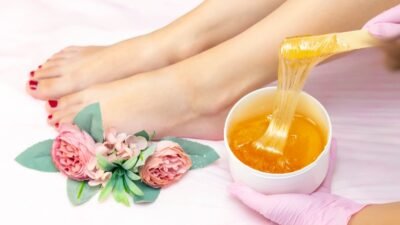
Traditional waxing uses a wax product that is applied to the skin and removed to pull out hair. Sugaring uses a sugar paste, commonly made with sugar, lemon and water. It is generally applied against hair growth and removed in the direction of growth; wax is typically applied with growth and removed against it. Sugaring paste is water-soluble, so residue can usually be cleaned with water.
The exact product and technique can vary. Ask your provider what they use and how they approach your treatment area.
Is sugaring vegan-friendly and chemical-free?
Traditional sugar paste is often vegan-friendly, but check the ingredients; “chemical-free” isn’t an accurate description.
Sugar, lemon and water are plant-derived ingredients, but formulas can vary. If vegan ingredients are important to you, ask the studio about the specific paste. And while sugaring may have a short ingredient list, everything is made of chemicals in the scientific sense. A more useful question is whether the product contains ingredients you prefer to avoid, such as synthetic resins, fragrance or animal-derived ingredients.
Why might someone transition from waxing to sugaring?
The best reason is that sugaring better matches your preferences or goals—not that it is guaranteed to be better.
Some clients are interested in a water-soluble paste with a simple formula. Others want to try a different removal direction or find out whether the method suits their skin. Sugaring may feel gentler for some people, but experiences differ, and it can still cause discomfort, redness or irritation. Cleveland Clinic notes that sugaring may remove fewer additional skin cells than waxing, but that doesn’t mean every person will have the same response.
If your current waxing routine works well for you, there’s no requirement to change it.
Does sugaring work well on coarse hair?
It can, but dense or coarse hair may need a more tailored approach and skilled technique.
Coarse hair isn’t an automatic reason to rule out sugaring. The provider may need to choose a suitable paste consistency, work in smaller sections or adjust their technique. Hair density, the area being treated and the condition of your skin all matter. If your hair is particularly coarse, discuss that before booking and ask what the provider recommends.
Why does practitioner skill matter so much?
Sugaring depends on technique and on matching the paste to the hair and treatment conditions.
The practitioner’s training, hand technique and choice of paste can affect how smoothly a session goes. Room temperature, humidity and moisture on the skin can also affect paste consistency and grip. In my experience, training in both waxing and sugaring helps a provider make a more informed recommendation instead of trying to fit every client into one method. Professional sugaring guidance also notes that room conditions, hair texture and paste consistency can affect the application.
How should you prepare for your first sugaring appointment?
Follow your provider’s instructions and share relevant details about your skin and hair.
Before your appointment, ask how much hair growth is needed; recommendations can vary by product, technique and treatment area. Arrive with clean skin, and let your provider know about recent irritation, sunburn, skin treatments, medications or sensitivities.
If you have a skin condition or are unsure whether hair removal is appropriate for you, check with a dermatologist or other qualified health professional first. The American Academy of Dermatology advises taking precautions with waxing, including discussing products that can make skin more vulnerable to injury.
What should you expect during the transition?
Expect to evaluate the method over time rather than judge it by a promise of instant, flawless results.
Your first appointment gives you a chance to see how your skin responds and how the technique feels. Tell your provider what has or hasn’t worked for you with waxing, including discomfort, irritation or hair breakage. After the session, follow the studio’s aftercare guidance and pay attention to how your skin feels.
You don’t need to commit to sugaring forever. If the results don’t meet your needs, talk with your provider about adjusting the approach or returning to waxing.
Should you switch from waxing to sugaring?
Switch if the method aligns with your goals and your provider can explain how they’ll adapt it to you.
Sugaring can be a useful option for clients who prefer its ingredients or technique. It isn’t a guaranteed solution for irritation, ingrown hairs or discomfort, and coarse hair may require additional consideration. A good consultation should leave you with a clear understanding of the product, the technique and what to expect.
For more information about the method, read Shortpump Threading’s sugaring guide. The goal of a consultation is to help you choose with clarity—not pressure.
FAQs
Is sugaring less painful than waxing?
Some people find it more comfortable; others don’t. Pain depends on the treatment area, hair, technique and personal sensitivity. Sugaring still removes hair from the root.
Can I switch to sugaring for just one appointment?
Yes. You can try one session and see how your skin responds before deciding whether to continue.
Do I have to stop waxing before trying sugaring?
Ask the provider about timing and hair length. They can advise whether your hair is ready for the technique they use.
Will sugaring prevent ingrown hairs?
There’s no guarantee. Hair-removal methods can still be followed by irritation or ingrown hairs. Discuss your history with your provider so you can make an informed choice.
Is sugaring suitable for everyone?
No single hair-removal method suits everyone. Your preferences, hair texture, skin condition and treatment area should all be considered before choosing.
Visit the Shortpump Threading website or read the studio’s sugaring information. Please feel to talk to us at 804 512 2835 for queries or questions.