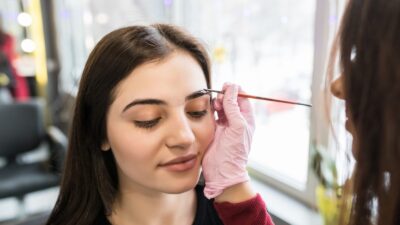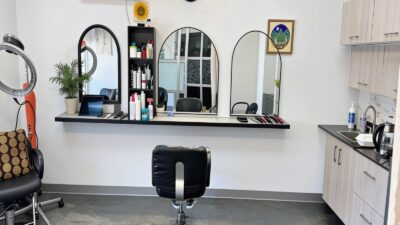


When most people think about waxing, they think about legs, underarms, eyebrows or a Brazilian.
But after years of working with clients in Richmond, I have learned that the questions people hesitate to ask are often the most practical ones.
“Can you wax my ears?”
“What about the hair on my toes?”
“Is buttocks waxing actually a thing?”
“Can men wax intimate areas too?”
And sometimes the question comes with a nervous laugh, because the client feels as though they are asking something unusual.
My answer is usually simple:
If the hair bothers you, it is worth asking about.
There is nothing embarrassing about body hair. Hair grows differently for everyone. Some people have noticeable hair around their ears. Some have hair across their lower back or buttocks. Others simply feel cleaner or more confident without hair in certain areas.
Professional waxing is not about judging where hair “should” or “should not” grow.
It is about understanding the skin, choosing the right technique and making the client feel comfortable throughout the process.
At Shortpump Threading & Wax Studio, that philosophy matters especially when we work on areas people do not normally discuss openly.
1. Ear Waxing
Ear hair can become more noticeable with age, particularly for men.
Waxing can help remove hair from the outer ear, ear rim and other appropriate visible areas.
However, this is one service where technique matters enormously.
Wax should never be pushed deep into the ear canal. The skin around the ear is delicate, and an experienced waxing professional should know exactly where waxing is appropriate and where trimming may be safer.
If you are considering ear waxing in Richmond, do not choose a salon simply because the service is inexpensive.
Ask whether the technician regularly performs ear waxing and how they protect sensitive areas.
2. Nose Waxing
Nose waxing in Richmond is another service that surprises many first-time clients.
Yes, visible nose hair can sometimes be waxed, but there is an important distinction.
The goal should be to remove excess visible hair close to the nostril entrance, not to remove every hair inside the nose.
Nasal hair has a biological purpose. It helps filter particles entering the respiratory system.
Aggressively waxing deep inside the nostril is unnecessary and can irritate sensitive tissue.
At a professional waxing studio, restraint is part of good technique.
Sometimes removing less is actually the better service.
3. Buttocks Waxing
This is much more common than many people realize.
Clients may choose to wax the buttocks because of dense hair growth, personal grooming preferences, athletics, hygiene preferences or simply because they prefer smoother skin.
There are usually two different areas clients may be referring to:
Buttocks waxing generally means the cheeks themselves.
Butt strip waxing refers to the hair between the buttocks.
The skin here can experience friction from clothing, sweating and prolonged sitting, so proper aftercare is particularly important.
Loose clothing immediately after waxing can help reduce irritation.
4. The Butt Strip
This is one of the areas clients are often most hesitant to ask about.
But for experienced waxing technicians, it is simply another part of professional body waxing.
The biggest concern for many clients is not actually pain.
It is dignity.
They wonder:
How will I position myself?
Will the room be private?
Will I feel exposed?
Will the technician make me uncomfortable?
These are legitimate questions.
A good intimate waxing experience depends as much on communication, privacy and professionalism as it does on waxing technique.
Before beginning, your technician should explain how you will be positioned and what will happen next.
There should never be unnecessary exposure.
5. Toes and Feet
Hair on the toes is completely normal.
Some clients notice it more after waxing or shaving their legs because the remaining toe hair becomes more visible.
Toe and foot waxing is usually a small service, but it can make the finish of a full-leg wax feel considerably more complete.
The technician should still assess the skin carefully, particularly if there are cuts, blisters, fungal infections or irritated skin around the feet.
Waxing over compromised skin is never worth the risk.
6. Fingers and Knuckles
Hands are constantly visible.
For someone with noticeable finger or knuckle hair, even a small amount of waxing can make a surprisingly big cosmetic difference.
Because the skin around the hands can become dry or irritated, your technician should check for cuts, eczema, cracked skin or recent irritation before waxing.
And remember: just because an area can be waxed does not automatically mean it should be waxed that day.
Skin condition always comes first.
7. Nipple and Chest-Area Hair
Hair around the nipple is very common for both men and women.
Unfortunately, people sometimes feel embarrassed mentioning it.
There is absolutely no reason to be.
This area can often be waxed carefully, but the skin is delicate. Small sections and appropriate wax temperature matter.
If there are active rashes, broken skin, unusual irritation or lesions around the area, waxing should be postponed.
8. Stomach and “Happy Trail” Waxing
The line of hair running from the navel toward the pubic region is sometimes called the happy trail.
Some clients remove only this small section.
Others combine stomach waxing with chest, bikini or Brazilian waxing.
This is a perfect example of why body waxing does not always need to fit neatly into a predefined salon menu.
Sometimes a client simply wants one particular area cleaned up.
A good waxing consultation should allow for that conversation.
9. Back of the Neck and Hairline
Some clients have fine or coarse hair extending down the back of the neck.
Waxing can create a cleaner neckline, particularly for people with shorter hairstyles.
However, waxing directly into the scalp hairline requires care. The goal is usually to remove stray hair rather than redesign the natural hairline.
Over-waxing can make the result look unnatural.
10. Male Intimate Waxing
This is another area where people often search online privately before ever calling a waxing studio.
Male intimate waxing — sometimes called a Manzilian Wax — may include the pubic region, base of the penis, scrotum and butt strip depending on the service selected.
This is not a service where technique should be improvised.
The skin can be highly mobile and sensitive, and correct stretching and wax application are essential.
More importantly, the client must feel respected throughout the appointment.
At Shortpump, we believe intimate waxing should never feel rushed, awkward or judgmental.
A professional should explain what is happening before touching or repositioning the client.
11. Female Intimate Waxing
Brazilian and bikini waxing are widely known, but first-time clients often have many questions they are afraid to ask.
What should I wear?
How much clothing will I remove?
What positions will I need to be in?
Will the technician see everything?
These concerns are completely understandable.
A good Brazilian waxing appointment should feel structured and professional, not embarrassing.
Privacy, clear instructions and consent throughout the service matter just as much as hair removal.
Before Waxing Any Unusual or Sensitive Area
There are a few things I believe every client in Richmond should know.
Skin Condition Matters More Than the Appointment
Do not wax over:
- Sunburn
- Open cuts
- Active infections
- Severely irritated skin
- Fresh scars
- Significant inflammation
Certain prescription acne treatments, retinoids, peels and dermatological procedures can also make skin more vulnerable.
Always tell your waxing professional about recent treatments or medications that may affect the skin.
Wax Temperature Matters
Sensitive areas do not need excessively hot wax.
Temperature should be controlled carefully.
A professional technician should understand the difference between wax that flows correctly and wax that is simply too hot.
Hygiene Is Non-Negotiable
For me, waxing hygiene is not a marketing feature.
It is a basic requirement.
Waxing studios should use appropriate single-use materials, clean working surfaces and proper sanitation practices.
And yes, double dipping should never happen.
Do Not Be Afraid to Ask Questions
This may be the most important point in this entire article.
You are allowed to ask:
“Have you waxed this area before?”
“How painful is it?”
“What position will I be in?”
“Will this area be completely private?”
“Can we stop if I become uncomfortable?”
A professional should not become defensive about these questions.
They should welcome them.
Richmond Clients Are Becoming More Open About Body Grooming
Over the years, I have seen the conversation around waxing in Richmond change.
Men are increasingly asking about body waxing.
Older clients are asking about ear and nose grooming.
First-time Brazilian clients arrive far more informed than they did years ago.
Clients across Short Pump, Glen Allen, Henrico and the greater Richmond area are also becoming more selective about hygiene, privacy and technique.
I think that is a positive change.
Waxing should not be treated as simply pulling hair from the skin.
It is a skin service.
And when we work on intimate, sensitive or unusual areas, that responsibility becomes even greater.
There Is No Such Thing as an Embarrassing Waxing Question
If there is one thing I would like clients to take away from this article, it is this:
Your waxing technician has probably heard the question before.
Ear hair is normal.
Toe hair is normal.
Buttocks hair is normal.
Intimate-area hair is normal.
Choosing to remove it is personal.
Choosing to keep it is personal too.
Our role as professionals is not to decide what you should wax.
Our role is to help you understand what can be waxed safely, what should be avoided and how to make the experience as comfortable as possible.
That is the standard we try to maintain every day at Shortpump Threading & Wax Studio in Richmond, Virginia.
— Mariam Ladhani
Founder
Shortpump Threading & Wax Studio
Richmond / Short Pump, Virginia
Please feel free to ask your queries or drop your feedback at 804 512 2835.