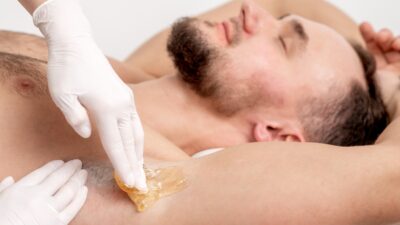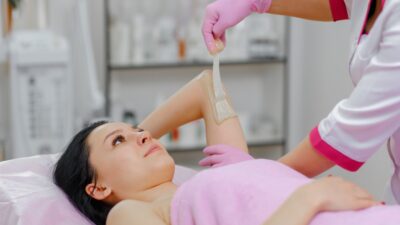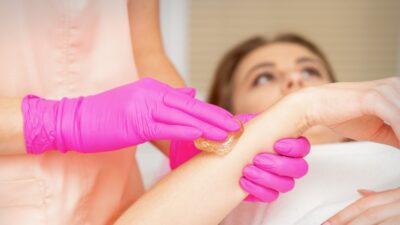

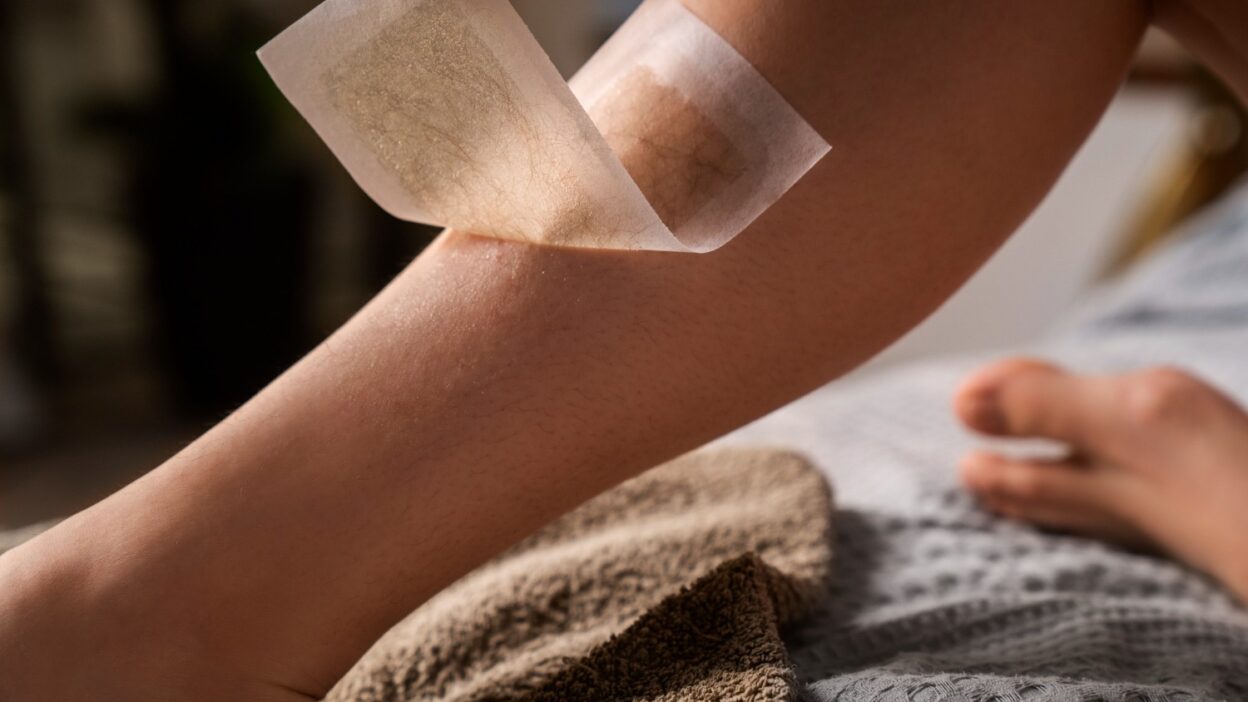
I get this question almost every day in my studio, and even more frequently online. Many first-timers who want to try body waxing in Richmond remain on the fence, worried about potential side effects. This article aims to break down the scientific findings, include expert opinions from clinicians and gynecologists, and also draw from my own experience servicing clients with diverse skin types for nearly two decades. I’ll also share my recommended alternative to traditional body waxing.
I want to begin by saying that waxing is a bit of a double-edged sword. When you choose the right esthetician—someone who truly cares about you and your skin—the service can be a breeze. But choosing an insensitive or careless esthetician who treats you like a one-off client can lead to complications.
Hygiene and safety practices play a huge role in preventing waxing-related issues. Single-use applicators, no double-dipping, disposable hand and body materials, and freshly prepared wax all make a significant difference in protecting your skin. While most Richmond wax studios follow good practices, it’s always wise to verify their standards before booking an appointment.
I wrote this article after diving deeply into research literature and scientific studies. I’ve kept the tone neutral and logical, citing sources wherever relevant so you can verify the information yourself.
What Research Shows: Side Effects & Risks of Waxing
Pain and Transient Irritation
As an esthetician, I can confidently say waxing does hurt—but there is a big difference when it’s done correctly. Waxing removes hair from the root, so some amount of pain, redness, and soreness for a few hours is expected. Overheated hard wax can also burn the skin.
Source: dermnetnz.org
Folliculitis and Ingrown Hairs
A BMC Women’s Health meta-analysis on pubic hair grooming found frequent occurrences of:
- Itching (26.9%)
- Rash (10.2%)
- Folliculitis (7.2%)
- Scarring (0.9%)
Source: https://pmc.ncbi.nlm.nih.gov/
Skin Hyperpigmentation and Scarring
Repeated waxing may cause hyperpigmentation or scarring, especially for darker skin types. Burns or skin stripping greatly increase this risk.
Source: dermnetnz.org
No Link Between Waxing and HPV
A 2025 cross-sectional study found no significant association between waxing and HPV infection.
Shaving and laser removal, however, were linked with higher odds of HPV.
Source:
https://ijwhr.net/pdf.php
Burn Injuries
Improperly heated wax can exceed 90°C. A retrospective review of burns from microwave-heated wax found many cases were due to wax temperatures rising above 100°C—even when users followed instructions.
This reinforces why professional temperature control is essential.
Source:
https://pmc.ncbi.nlm.nih.gov/articles/PMC3098007/
How Do Gynecologists View Brazilian Waxing?
I’ve received countless questions about Brazilian waxing from both men and women, so I wanted to understand the medical perspective as well.
Gynecologist Dr. Jen Gunter states that waxing and shaving cause “microscopic trauma” to the skin, increasing risks of cuts and infection. She encourages leaving pubic hair untouched or simply trimming, and stresses strict hygiene if waxing is chosen—e.g., clean razors and no double-dipped wax sticks.
Source: au.news.yahoo.com
Is Waxing Safe During Pregnancy?
The American College of Obstetricians and Gynecologists (ACOG) considers tweezing, waxing, and shaving generally safe during pregnancy. However, they advise avoiding waxing on sunburned or irritated skin and note that temporary irritation is common.
Source: acog.org
Dermatologists’ Perspective
The Cleveland Clinic warns that Brazilian waxing may cause rashes, itching, or trigger vulvodynia. They advise avoiding waxing:
- On sunburned or sensitive skin
- While taking isotretinoin
Source: health.clevelandclinic.org
Complications to Consider With Facial Waxing
The face requires much more caution due to its sensitivity.
Skin Fragility & Acne Medications
Facial skin is thinner than body skin. Waxing can strip the epidermis, especially in clients using retinoids or isotretinoin.
The American Academy of Dermatology advises avoiding waxing during isotretinoin treatment and for six months after stopping, due to the risk of permanent scarring.
Source: aad.org
Wax Burns and Infection
A 2022 case report of an eyebrow wax burn demonstrated that burns can lead to hypopigmentation and fungal infections—commonly due to overheated wax.
Source: pmc.ncbi.nlm.nih.gov
Allergic Reactions and Dermatitis
Facial waxes may contain fragrances, dyes, or rosin. DermNet warns of allergic dermatitis, especially in people with eczema or sensitive skin. A patch test is highly recommended.
Source: dermnetnz.org
Post-Inflammatory Hyperpigmentation
Darker skin tones (Fitzpatrick IV–VI) are more prone to hyperpigmentation or depigmentation after waxing. Dermatologists recommend professional waxing over at-home kits to reduce burn risk.
My professional recommendation: Always do a patch test if you’re a first-timer.
Are There Any Safe Alternatives to Waxing?
Sugaring
I strongly recommend sugaring as a safer, more natural alternative. It’s chemical-free, used at room temperature, and eliminates the fear of burns.
In Richmond, most health-conscious clients now prefer sugaring—especially for Brazilian and intimate waxing—even though it is priced higher than hard wax.
Professional Tips to Minimise Risks
Seek Professional Services
Choose a studio that prioritises hygiene—single-use sticks, fresh wax, temperature control, and proper technique. A holistic pre- and post-care approach makes a world of difference.
Pre-Wax Preparation
- Exfoliate gently one day before
- Avoid waxing irritated or sunburned skin
- Avoid waxing when on retinoids
- Perform a patch test for sensitive skin or allergies
Post-Wax Aftercare
- Apply a cool compress
- Avoid tight clothing or friction for 24–48 hours
- Keep the area clean and dry
- Avoid sexual activity or swimming for at least 24 hours
- Moisturise with fragrance-free lotion
- Use a mild antiseptic if needed
Watch for Complications
Seek medical help if you notice:
- Persistent redness
- Pus
- Fever
- Severe swelling or pain
Conclusion
Research shows waxing is generally safe when done correctly on healthy skin—but it’s not entirely risk-free. Pain, redness, folliculitis, ingrown hairs, and temporary hyperpigmentation are common.
More serious complications—burns, permanent scarring, infections, or chronic vulvar pain—are rare but documented. Risks increase significantly with:
- At-home waxing kits
- Improper heating
- Waxing on sensitive or medicated skin
- Unsanitary salon practices
Gynecologists and dermatologists remind us that pubic hair serves a protective role, and removing it can expose the skin to micro-trauma. While the trend toward full hair removal continues, medical advice leans toward moderation.
If you choose waxing, prioritise:
- Professional technique
- Hygienic conditions
- Proper pre- and post-care
And consider safer alternatives such as threading, sugaring, or laser hair reduction.
Please feel free to call or WhatsApp for any waxing related queries at 804 512 2835.